
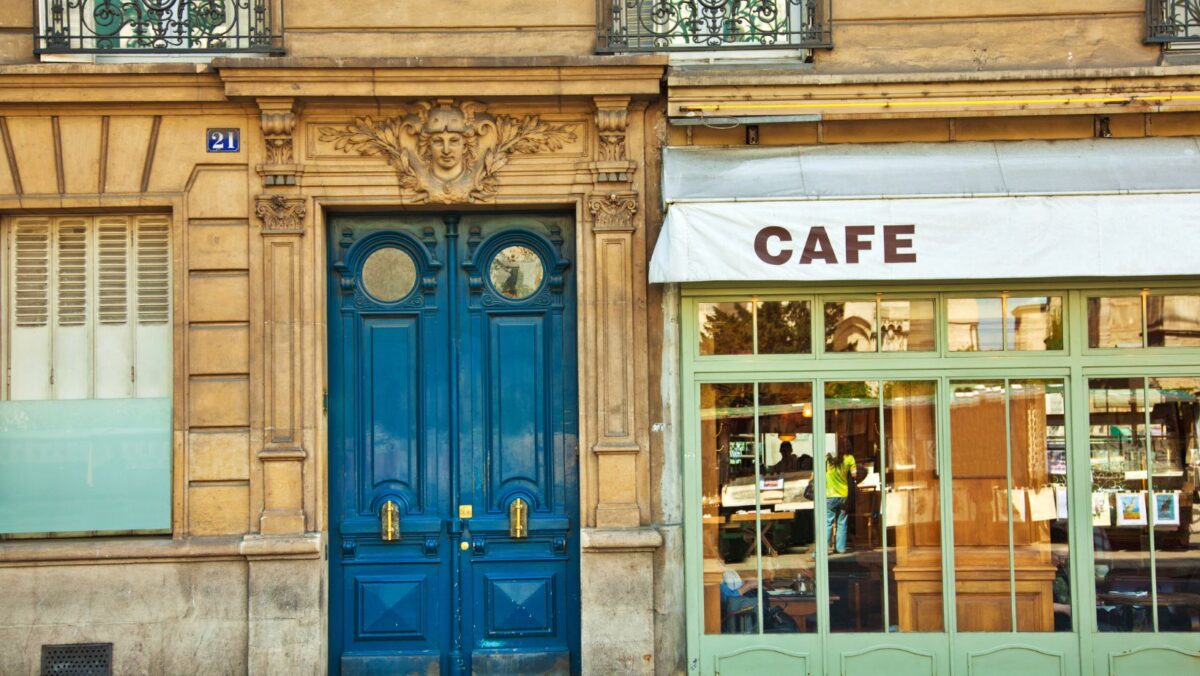

Many designers look for logo ideas in restaurants and cafés because these places have a complete visual system. Every choice of material, color, lighting, and seating arrangement is a part of a brand. The persona is already presenting a tale when you step into a room. Designers look at these locations because they reveal how a brand acts in real life, not simply on a screen. In many premium spaces, even the presence of refined wooden bar stools serves as a subtle signal of craftsmanship and quality, offering designers elegant visual cues that can be translated into a brand mark.
A well-designed interior helps a designer understand how people feel about a room. It sets the tone for a logo, making it feel warm, modern, traditional, playful, or high-end. This link provides designers with a sound, sensory base.
How Spatial Choices Translate Into Visual Symbols
A quick look at the details inside a restaurant reveals patterns that can influence a logo’s structure. Wood grains, tile patterns, table shapes, lighting shadows, and even the curve of a chair can inspire lines, angles, or textures in a brand mark. Designers pay attention to these because they come directly from the environment that customers already trust.
To make this connection more straightforward, designers often evaluate interiors through measurable elements:
- Color temperature and saturation set the emotional tone that customers feel.
- Material combinations such as natural wood and metal signal a style direction.
- Repeating shapes that can become icon outlines or letterform cues.
These environmental cues help the designer create a logo that matches the space’s personality.
Why Real World Context Helps Avoid Generic Branding
Many brands fail when their logos feel disconnected from the customer experience. A space that feels rich and inviting deserves a logo built with the same intention. Designers look at interiors to avoid choosing symbols that are too abstract or unrelated.

Working with real context prevents guesswork. Instead of relying on trends, a designer can borrow authenticity from the environment itself. This approach strengthens the identity because the visual elements come from something customers already associate with the brand.
The Value of Observing Texture, Lighting, and Furniture
Observing real textures can lead to more confident design choices. A café with matte-black surfaces and soft ambient lighting inspires minimal, bold logo forms. A restaurant filled with greenery and soft fabrics might inspire round, gentle typography.
Lighting also plays a central role. A warm interior encourages warm color palettes. Brighter spaces often lean toward crisp and modern styling. Even the furniture becomes a clue. Wooden bar stools, for example, usually introduce a natural, confident aesthetic that can influence a grounded, handcrafted logo direction.
Turning Environmental Clues Into Design Systems
Once designers gather inspiration from the interior, they translate it into structured design systems. This is where the analytical part begins. The mood of the space becomes a color palette. Materials turn into texture references. Layouts become spacing rules. The energy of the environment guides typographic choices.
To keep branding consistent, designers often map these interior influences into a clear framework:
- A primary palette that mirrors the tones found in the space.
- Shape language derived from architectural lines or furniture silhouettes.
- Typography choices that reflect the interior’s mood and character.
These systems help the logo feel naturally connected to the physical experience customers enjoy.
A Future Driven by Experience-Based Branding
Designers increasingly believe that a successful logo must represent more than a business name. It must carry the emotion of a place. Restaurants and cafés offer ready-made sensory environments, and when designers draw on them, the result is deeper, more memorable branding.
Experience-based branding continues to rise because customers care about how a space makes them feel. When a logo reflects that feeling, the identity becomes stronger. The interior guides the brand, the brand guides the customer, and the relationship becomes clear, confident, and cohesive.
