
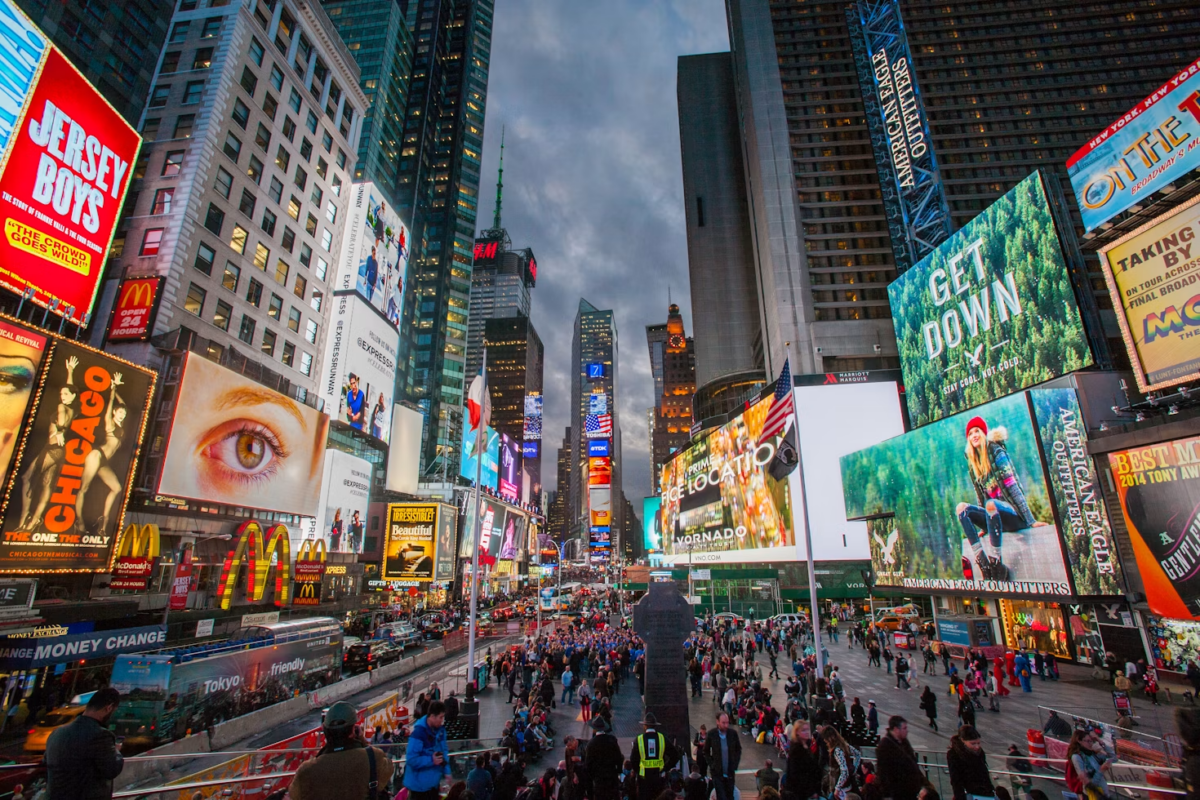

In a crowded market, a logo is the first thing a potential customer sees. It’s also often the last thing they remember. A strong logo can help improve trust, brand recall, and value. It can also help brands stand out in a way that’s truly unique.
However, what’s the gap between a good and a bad logo? Why is it that some logos, like Nike, are unforgettable, while others are forgotten?
Why Some Logos Work
Logos that work are designed with a clear purpose, an understanding of their environment, and awareness of how their audience will perceive them.
Color psychology is a huge factor, as it can have an effect on moods, feelings, and behaviors. Red is widely used for energy and urgency (Coca-Cola, Netflix, YouTube), blue communicates trust and stability (Facebook, PayPal, IBM), and yellow signals optimism and warmth (McDonald’s, Snapchat, Ikea). The most effective logos use color choices to help reinforce the brand’s position.
Industry context is also important. Take casino games as one example, where game libraries display hundreds of titles side-by-side, each fighting for the player’s attention. Commonly, a football-themed slot will be next to a fishing-themed slot. The logo that gets the click, however, is the one that clearly identifies what it is, what it offers, and who it’s for instantly.
Simplicity is the last principle of why some logos work. Think of the most enduring logos of our time, like Apple, Nike, and Target. All of them are remarkably recognizable, scalable to any size, and easy to reproduce, regardless of whether their actual brand name is shown or not.
Why Some Logos Don’t Work
When brands ignore color psychology, industry context, and simplicity, the results are often remarkably failures.
Gap’s 2010 redesign is one to remember. During this time, they replaced their blue box logo with a generic Helvetica wordmark and a tiny gradient square. The backlash was so fierce that they reverted to the original logo within 6 days. Now, imagine if they weren’t an established brand, with this logo, they may not have grown into the business they are today.
Tropicana did something similar in 2009. They went through a full redesign from something unique to something generic. Customers even said that they found it difficult to find their products on the shelves due to the new design, costing the company an estimated $30 million before reverting to the original.
Luckily, these brands were already established, but imagine if they weren’t. Gap’s redesigned logo didn’t resonate with its target audience. Tropicana’s redesign results in its juices looking like generic options. Both result in poorer business performance.
What to Think About When Creating a Logo
Creating a logo that works isn’t easy, but once it’s perfected, it can last a lifetime. Think about your product, the customer, and the environment in which your brand is sold. Be unique, be simple, and be attractive; these are the three core elements every brand should focus on. How this is created, though, depends on your unique brand, story, and customer, so it’s worth doing some research.
