
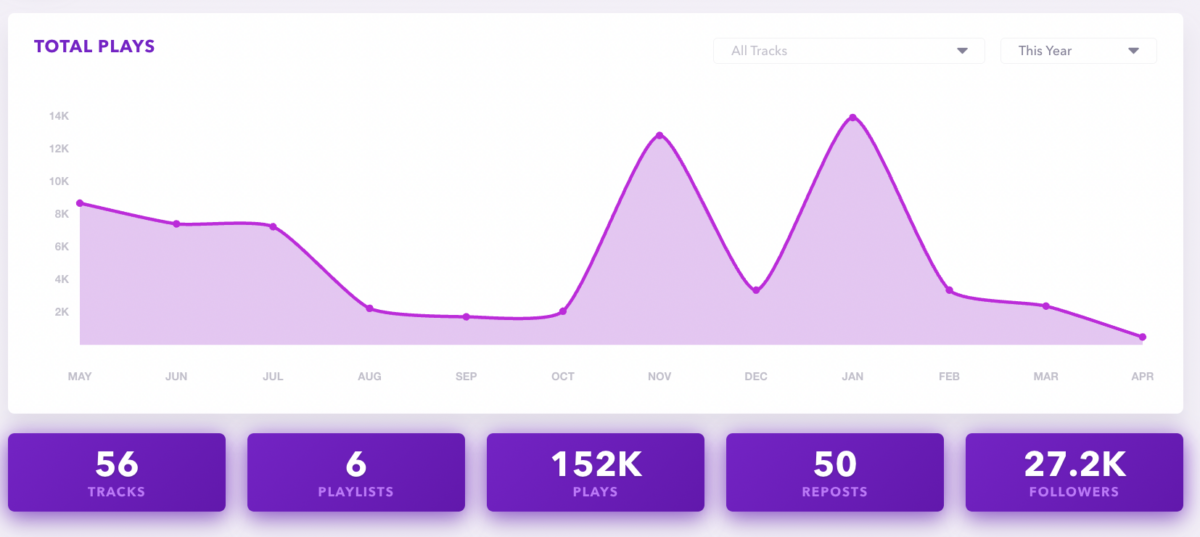

Music marketing no longer relies on guesswork or personal opinion. Data now shapes how artists plan releases, promotions, and growth. Streaming platforms generate clear signals about listener behavior, engagement, and reach. These signals help artists avoid wasted effort and focus on what performs well. Growth has become more competitive as millions of tracks are released every year. Standing out requires informed decisions, not assumptions. Analytics tools reveal what listeners enjoy, where they listen, and how they respond. Marketing strategies built on real numbers last longer than trend chasing. This article explains how data-driven music marketing works and how it supports steady, sustainable results over time.
Understanding Music Data Basics
Music data starts with streams, listeners, and engagement. Streams show activity, while listeners show reach. Engagement reveals real interest through saves, follows, and playlist adds. Vanity numbers look impressive but offer little direction. Useful data highlights behavior patterns.
Platform dashboards provide this insight. Spotify for Artists, Apple Music for Artists, and similar tools show performance clearly. Tracking trends over weeks reveals growth direction. For example, steady save rates often predict long-term success better than high first-day streams.
Clear measurement goals matter. Tracking specific metrics keeps focus on progress instead of noise. Data becomes valuable only when tied to purpose and review.
Using Audience Data to Shape Strategy
Audience data reveals who listens and where discovery happens. Location data highlights regions showing organic traction. This helps plan promotion without overspending. Age and listening habits also matter. Younger listeners often engage differently from older ones.
Matching content to behavior improves results. If listeners replay short tracks more often, shorter releases may perform better. Loyal listeners appear through repeat streams and saves. Identifying these listeners early helps guide outreach.
Adjusting releases based on feedback strengthens performance. For example, skipping patterns may signal weak intros. Audience data turns listening behavior into practical guidance instead of assumptions.
Optimizing Releases With Data
Release timing affects visibility. Data shows when listeners stay active. Midweek releases often perform well due to playlist updates, while weekends favor casual listening. Monitoring the first week’s performance reveals whether the promotion works.
Save and skip rates provide clear feedback. High saves signal intent to return. High skips suggest a mismatch. Improving songs based on response leads to stronger future releases.
Testing before scaling promotion reduces risk. Small organic traction should appear before paid support. Spotify notes that a stream counts after 30 seconds, which makes early engagement critical
Data-guided releases perform more consistently over time.
Data-Driven Promotion Decisions
Promotion works best when data leads the process. Platform performance varies by artist and genre. Choosing channels based on results avoids wasted spending. Comparing organic and paid performance shows true impact.
Budget control improves with real numbers. Spending follows traction, not hope. Avoiding promotion without signals protects resources. According to Chartmetric, tracks that gain early playlist adds show stronger long-term stream retention.
Scaling what already works increases efficiency. Some artists use structured engagement support systems to reinforce early traction and validate audience interest before expanding promotion. When aligned with real performance data, these systems help marketing become a repeatable process instead of a gamble.
Turning Data Into Long-Term Growth
Long term growth depends on repeat listening. Data highlights retention through saves, follows, and return streams. Strengthening these signals builds stability. Fan retention matters more than constant discovery.
Planning future releases with insights improves direction. Patterns reveal what resonates most. Reducing wasted effort saves time and energy. Focus shifts from random actions to informed planning.
A repeatable growth system forms through review and adjustment. According to MIDiA Research, a small group of highly engaged fans generates most artist revenue.
Data helps identify and nurture this core group.
Conclusion
Data-driven music marketing creates clarity in a crowded space. Numbers replace guesswork and guide smarter decisions. Creativity remains essential, but analysis supports consistency and growth. Fast trends fade, while informed systems last longer. Artists who balance insight with expression gain stability and control. Platforms reward behavior patterns, not intention. Sustainable success comes from learning, adjusting, and repeating what works. A data-focused approach builds confidence, saves resources, and supports long-term progress. Start tracking, reviewing, and improving to create a music marketing strategy that truly works.
