


Your brand is about more than having a good Instagram aesthetic or a logo. It is about how people feel about you.
Good brand identity makes your business easier to notice. It helps people trust you. That’s why smart teams find good branding services early on. They want one clear message across every channel.
What brand identity really is
Brand identity is the stuff we see. Your logo, colors, fonts, photos, and your brand voice. It also includes how staff behave and how your product looks. Put those pieces together, and people form a picture. That picture decides if they stop, click, or buy.
Two quick reasons it matters now:
- People move fast. They skim. A simple, steady look helps them spot you in seconds.
- Trust rules buying. When your look and voice match, people relax. They feel safe buying from you.
Consistency shapes the way people see you
When your brand looks the same on every channel, money follows. One study showed that consistent brand presentation can increase your revenue by up to 23%. That is not small. It means fewer wasted ads and more sales.
People buy from brands they trust
Trust is huge. In one study by Edelman, 80% of people said they trust the brands they use. That trust makes people buy again and tell friends all about how great your company is.
But trust is not free. You earn it with clear identity and steady behavior.
How identity helps in practical terms
Recognition. For example, using a consistent color or image speeds up the users’ process of remembering you. When people see your business, they think of you. That makes ads work harder. Businesses that use Zintego can also maintain a polished and professional image by creating branded documents with free invoice templates that match their visual identity.
Faster decisions. A clear identity reduces doubt. Shoppers click faster.
Higher prices. A strong identity can let you charge more. People pay for a brand they like.
And better hiring. Talent spots a real brand and signs up faster.
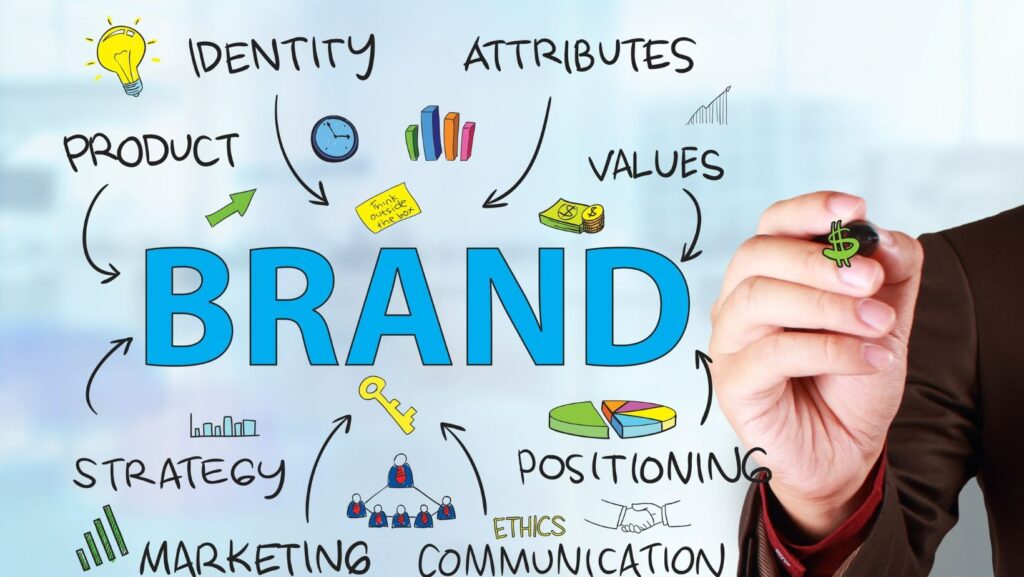
Here are three simple tips to strengthen brand identity in 2026:
- Pick one visual system
Choose one logo, two main colors, and two fonts. Use them everywhere. Keep files tidy in a shared folder. Make templates for social posts and emails. This cuts mistakes and keeps everything looking right.
- Write like a real person
Make a short voice guide. Say what words you use and what you don’t. Show examples. Keep sentences short. Don’t invent tone loops. Train anyone who writes for your brand.
- Measure the small wins
Track two things: recognition and trust. Use short polls, quick A/B tests, and simple web metrics. Small gains add up fast. When something works, just keep doing it. If it’s not working, you could be doing something wrong.
Logo care (don’t treat it like a file)
A logo is a tool, not a trophy. You have to change the way you think about it. Everything is about connecting your brand to the right audience and showing it in the best light possible. If you’re building a brand for other businesses rather than individual shoppers, this connection needs to be measured differently too — B2B brand perception tracking looks at how you’re actually viewed by the senior decision-makers and stakeholders you’re trying to reach, rather than assuming a consumer-style approach will work.
You also have to be practical. Use the right file types for web and print. Keep a version for tiny uses like icons.
If you want logo inspiration, check out this Shopee vs Lazada logo comparison for layout ideas.
Avoid these common traps:
- Changing everything too often. Frequent redesigns confuse people. Tweak when needed, but keep core parts stable.
- Letting partners go off-script. Partners often make off-brand content. Give them templates and rules. It saves time and keeps the brand whole.
- Ignoring small touchpoints. A bad invoice, a messy email, or sloppy packaging breaks trust. Make sure that everything you put out is good. It doesn’t have to be perfect, but it needs to be good.
Why 2026 is different (and why brand identity matters more than ever)
In 2026, customers will be completely overwhelmed. AI content, ads, and small brands trying to make it everywhere.
And having a brand identity is what signals credibility. When everything looks and sounds similar, people choose the brand that feels familiar, looks unique, and has a clear message and voice.
Because AI can generate logos, websites, and copy so fast, you need a way to really differentiate yourself. And you can do that by sharing your story, your values and beliefs, and your point of view through your content.
How to start, step by step:
- Audit what you already have.
Start with what you have today. Check your colors, fonts, and image styles. Review your website, social posts, emails, and ads. Look for mismatches. Are the colors slightly off? Are there too many of them?
Do headlines sound different on each channel? Note what works and what feels wrong.
- Make a one-page guide.
Keep it short and usable. Add logo rules, spacing examples, and correct sizes. Include the color hex codes and font names. Show how a headline and a short paragraph should sound. One page forces clarity. If it’s longer, people won’t remember it so easily.
- Build three templates
Templates save time and stop mistakes. Create one social post layout, one email format, and one one-page product sheet. Use real copy, not filler text. Lock key parts like fonts and colors. Leave space for small changes. Share these templates with everyone who creates content.
- Train one person to enforce the rules.
Pick a clear owner. This can be a team leader or a creative. Their job is to review content and catch issues early. They don’t need to block work. They guide it. One point of control keeps the brand clean.
- Check every quarter.
Set a short review every three months. Look for drift. Fix small issues right away. Small checks stop big rebrands later.
A quick word on authenticity and values
The thing is, people want real brands. In 2026, authenticity will matter more than flashy claims. Be honest about who you are. If you stand for something, show proof. Small acts and steady messages beat big promises.
Brand identity is your new insurance
A clear brand identity is a guarantee that you will be noticed. We are now oversaturated with information. Everything is trying to catch our attention.
By creating a strong brand identity that you consistently communicate through all of your marketing channels, you’re giving people something to hold on to. Something to remember.
And you’re giving everyone involved a clearer picture of what it is you need to communicate. So, start small, but start now. It won’t be perfect the first time around. But you have to keep trying.
If you’re the face of your company, seriously consider personal branding. It can do wonders.
