
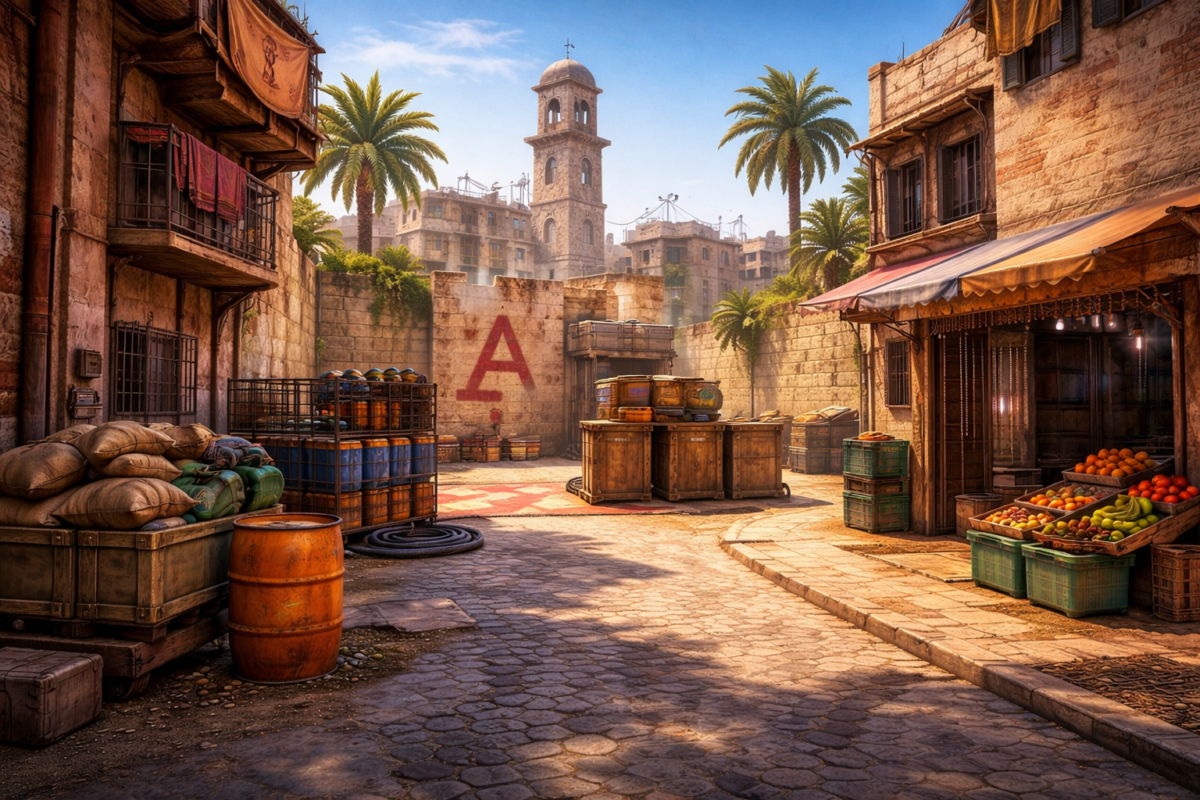

The transition from the old engine to the new era of Source 2 wasn’t just a simple update; it was a fundamental shift in how we perceive digital assets within the tactical shooter space. When Valve officially moved us into the current iteration of the game, the community wasn’t just looking at improved smoke physics or better tick rates. We were looking at our inventories. For years, collectors and casual players alike have obsessed over specific visual patterns, but none have held the same technical allure as the Fade. It is a gradient-based masterclass in shader application that has defined the aesthetic of high-tier collections. Whether you are hunting for a specific MP7 fade to round out a loadout or just browsing for the most vibrant colors on a budget, the tech behind these pixels is far more complex than a simple “copy-paste” of a rainbow. It’s a combination of RNG, math, and light-reflecting shaders that makes the marketplace cs2 so incredibly vibrant.
The Evolution of Source 2 Rendering
To understand why the Fade pattern looks the way it does now, you have to look under the hood of the Source 2 engine. In the previous era of CSGO, lighting was often baked or simplified to save on processing power. When the move to CS2 happened, Valve introduced Physically Based Rendering, or PBR. This tech changed everything. PBR allows materials to react to light in a way that mimics real-world physics. For these specific gradient patterns, it means the colors aren’t just flat hues; they are interactive.
When you look at CS2 skins in the light, the “anodized multicolored” finish reacts to the sun on Mirage or the fluorescent lights on Nuke with a level of depth we never had before. This change in rendering tech is why the cs2 skins marketplace saw such a massive shift in valuation. Some items that looked dull in the old engine suddenly popped with a pearlescent glow, while others changed their color distribution entirely. This technological leap wasn’t just for show; it redefined how we interact with the cs2 steam marketplace. We moved from looking at 2D skins to 3D assets that live and breathe within their environment.
Mathematical Variance in Pattern Seeds
One of the most fascinating aspects of this phenomenon is that no two skins are necessarily the same. This is where the “Pattern Seed” comes into play. In the backend of the game, every time an item is generated, the server assigns it a number between 0 and 999. This isn’t just a random ID; it’s a coordinate on a large, pre-designed texture sheet. For Fade patterns, this sheet is a long gradient transition of purple, pink, and gold.
The technology here is essentially an algorithmic offset. If you have seed 763, the “camera” for that skin is placed at a specific spot on the gradient map. If you have seed 3, it’s somewhere else. This is why you see people on the skin marketplace cs2 debating “Full Fade” versus “90% Fade.” It’s not just a visual preference; it’s a mathematical rarity. The rarer the offset, the higher the demand. This level of technical granularity is what drives the best cs2 marketplace platforms to include seed-checking tools, allowing players to verify exactly where their pixels sit on the master texture.
The Influence of PBR on Pixel Luminance
PBR doesn’t just make things look “better”—it makes them look “correct.” In the context of the Fade phenomenon, the tech focuses on two main components: Albedo and Metalness. The Albedo is the base color, while the Metalness defines how the surface reflects its surroundings. In the old days of CSGO, these patterns often looked like they were painted onto metal. In CS2, they look like they are part of the metal.
This is why the cs2 skins market is currently obsessed with “clean” looks. Because the new engine handles light with such precision, any scratches or wear (known as Float Value) are more visible than ever. However, the Fade pattern is unique because it is often applied in a way that hides wear better than solid-color skins. The technological trick here is that the vibrancy of the gradient draws the eye away from the micro-scratches in the geometry. When you are looking for the cheapest cs2 marketplace deals, you often have to balance this visual fidelity against the cost, especially when dealing with Market CSGO items that have transitioned into this new lighting system.
Algorithmic Scarcity within the CS2 Marketplace

The economy of these items isn’t just based on how they look, but on the probability of their existence. This is where the concept of “algorithmic scarcity” comes in. Because there are exactly 1000 possible seeds, and only a handful of those seeds result in a “100% Fade” (where the purple extends all the way to the edge of the asset), the tech creates its own supply and demand.
The best cs2 skin marketplace sites have had to evolve their search algorithms just to keep up. It’s no longer enough to just search for a skin name; collectors want to filter by specific percentages. This has led to the rise of third-party tech tools that scrape data from the steam marketplace cs2 to find “snipes”—items listed for a low price by someone who doesn’t realize they have a rare seed. This interplay between the game’s internal RNG and external financial tech has made the cs2 skin marketplace one of the most sophisticated digital economies in the world.
Visual Fidelity and Asset Portability
One of the biggest questions during the transition from the old game to the new one was whether our digital assets would retain their value and appearance. Valve’s solution was a massive technical undertaking: they had to port thousands of existing textures into a completely different lighting environment. For the Fade patterns, this meant re-mapping the gradient sheets to ensure they didn’t break in the new engine.
What’s interesting from a tech perspective is how they handled “Legacy” versus “New” models. Some skins still use the old geometry but with new shaders, while others have been completely rebuilt. When you browse a cs2 marketplace, you are seeing the result of this hybrid approach. The Market CSGO skins you might have owned for five years are now being rendered with real-time global illumination. This commitment to asset portability is a significant technological feat that many other games struggle to replicate, and it’s a primary reason why the marketplace cs2 remains so stable.
The Psychology of the Gradient
While we’ve talked a lot about the math and the rendering engines, there is also a psychological component to how this technology affects the user experience. Human eyes are naturally drawn to gradients and transitions—it’s a concept in design known as visual flow. By using an “anodized multicolored” finish, Valve tapped into a fundamental aspect of human perception.
The way the colors shift from a cool purple to a warm gold creates a sense of movement, even when the object is static. On a cs2 marketplace steam search, these items stand out immediately compared to flat or camouflage patterns. This isn’t an accident. It’s a deliberate use of color theory integrated into the game’s technical framework to ensure certain items feel “premium.” Whether you’re searching for the best cs2 marketplace for high-tier items or just looking for something cool on a budget, the tech is designed to catch your eye.
Future-Proofing Virtual Goods
As we look toward the future of gaming technology, the Fade phenomenon serves as a case study for how virtual goods can evolve. We are moving toward a world where the “skins” we own in games are no longer just static images, but complex shaders that can be updated as engines improve. The move from CSGO to CS2 was the first major test of this, and the results have been overwhelmingly positive for the tech-savvy collector.
The cs2 skins market is more than just a place to swap items; it’s a living laboratory for digital ownership and rendering tech. As the cheapest cs2 marketplace options continue to fill up with various patterns and seeds, the community’s understanding of the underlying technology will only grow. We aren’t just playing a game anymore; we are participating in a high-fidelity visual economy. From the way light hits a specific curve of a frame to the way the seed math dictates the price on a skin marketplace cs2, the “Fade” is a perfect example of how technology, art, and commerce collide in the modern age.
In the end, whether you’re a hardcore trader or someone who just likes the way the colors look under the sun on Overpass, the Fade phenomenon is a testament to the power of Source 2. It’s a reminder that even in a game about precision and strategy, there’s plenty of room for technical beauty. Next time you see a Fade item in your game or on a marketplace, take a second to appreciate the thousands of lines of code and the complex physics that went into making those pixels shine.
