


Brand consistency sounds simple—until content production starts scaling.
As brands create more videos across different campaigns and platforms, keeping visuals, messaging, and creative direction aligned becomes increasingly difficult.
That is why reference to video AI is gaining attention. By generating AI videos from existing references, brands can create content that stays visually consistent with their products, characters, and overall identity—without rebuilding every asset from scratch.
What Is Reference to Video AI?
Reference to video AI refers to a workflow where existing visual materials—such as brand images, character designs, product shots, illustrations, or style frames—are used as references to generate new videos.
Reference based AI video generators such as Pollo ai can “look at” a visual reference and produce video output that follows the same style, subject, or design language.
This makes a major difference for brands.
When you create AI video from references, you are not starting from a vague idea. You are anchoring the output to visuals you already trust. That means more control, better visual continuity, and fewer random results.
Why Brand Consistency Matters More Than Ever
People do not trust brands they cannot recognize. Consistency helps customers remember who you are. It creates familiarity. It strengthens perception. And it makes every touchpoint feel like part of the same brand story.
If each asset looks like it came from a different company, your brand loses impact. But if everything feels connected, the brand becomes stronger with every impression.
That is where reference to video AI tools become especially useful. They help teams move faster without sacrificing visual coherence.
How Reference-Based AI Video Supports Brand Consistency
It Keeps Visual Style Aligned
One of the biggest advantages of using references is style control. If your brand has a certain lighting mood, color palette, composition style, or product presentation standard, reference-based generation helps preserve that.
For example, if a beauty brand has a specific clean and minimal visual identity, it can use existing campaign images as references to create matching video assets. The result feels more unified and more professional.
It Improves Character and Product Continuity
Brands that use mascots, digital presenters, or recurring product visuals often run into a common issue: inconsistency across content.
A character looks slightly different in every video. A product changes shape or texture. Small details shift, and the audience notices.
When you create AI video from references, the AI has a stronger visual anchor. That helps maintain continuity in subjects, objects, and branded elements across multiple outputs.
For storytelling, ecommerce, and product-led marketing, this matters a lot.
It Speeds Up Creative Production
Consistency usually takes time. Teams need reviews, revisions, and multiple rounds of alignment to make sure every asset fits the brand.
Tools like Renderforest AI Image to Video can reduce that burden.
Because the output starts from approved visual materials, there is less guesswork involved. Creative teams can move faster while still keeping quality under control. That is especially valuable for brands producing large volumes of short-form content.
A Quick Note on AI Image Generation
As AI visuals become more common in marketing, an AI image detector is often used to verify whether an image is AI-generated or real. This helps brands maintain transparency and ensure visual authenticity across campaigns. They help brands generate concept art, campaign visuals, product scenes, character designs, and style references that can later feed into video creation.
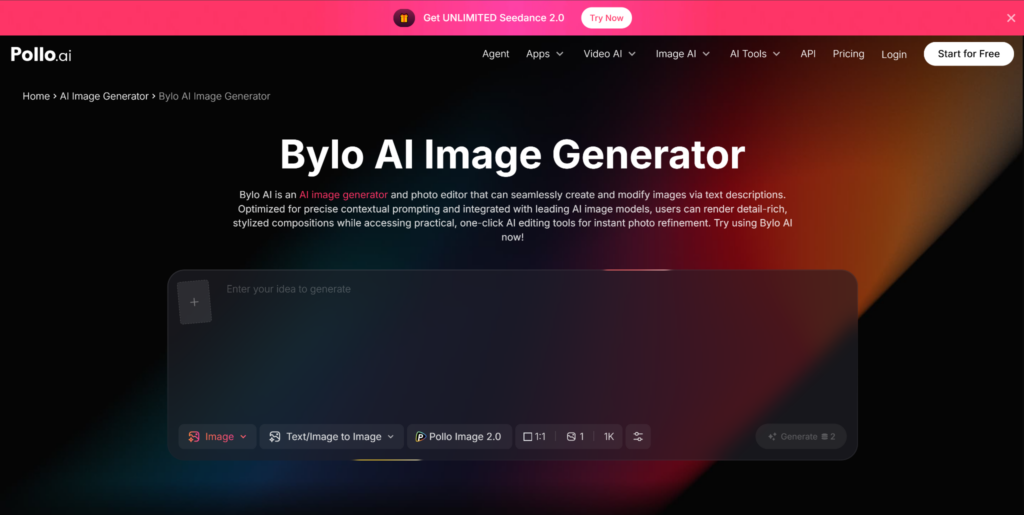
In many cases, strong image references lead to better video results. AI images that serve as useful visual references are essential for future content creation. For brands building a more efficient pipeline from still image to motion content, tools like Bylo AI can play a practical role.
Best Use Cases for Reference to Video AI
Reference-based video generation is especially helpful in a few key scenarios.
Ecommerce Product Marketing
Brands can use product photos or campaign visuals as references to generate promotional videos that stay aligned with their store’s visual identity. This helps maintain consistency across product pages, ads, and social content.
Social Media Campaigns
Short-form video moves fast, but brand consistency still matters. With references, teams can generate more content while preserving a recognizable look and feel.
Branded Character Content
If your brand uses recurring characters, avatars, or mascots, reference-based AI can help keep them visually stable across multiple assets.
Multi-Channel Creative Production
Whether you are creating videos for Instagram, YouTube, paid ads, or landing pages, using references makes it easier to ensure every asset feels like part of the same system.
Why This Matters for Modern Marketing Teams
Marketing teams today are expected to produce more content than ever before. But speed without consistency creates chaos.
That is the real value of reference to video AI.
It gives brands a way to scale without losing their visual identity. It makes AI-generated content more usable in real business settings. And it helps bridge the gap between creative efficiency and brand control.
That balance is hard to achieve with traditional workflows alone.
But with the right reference-based process, it becomes much more realistic.
Final Thoughts
Reference to video AI is quickly becoming one of the smartest ways to maintain brand consistency while scaling video production.
Instead of leaving everything to text prompts and chance, brands can use approved visuals as a foundation. That makes it easier to create AI video from references that feel aligned, recognizable, and on-brand.
In modern marketing, consistency is not just a design preference. It is part of what makes a brand believable.
