
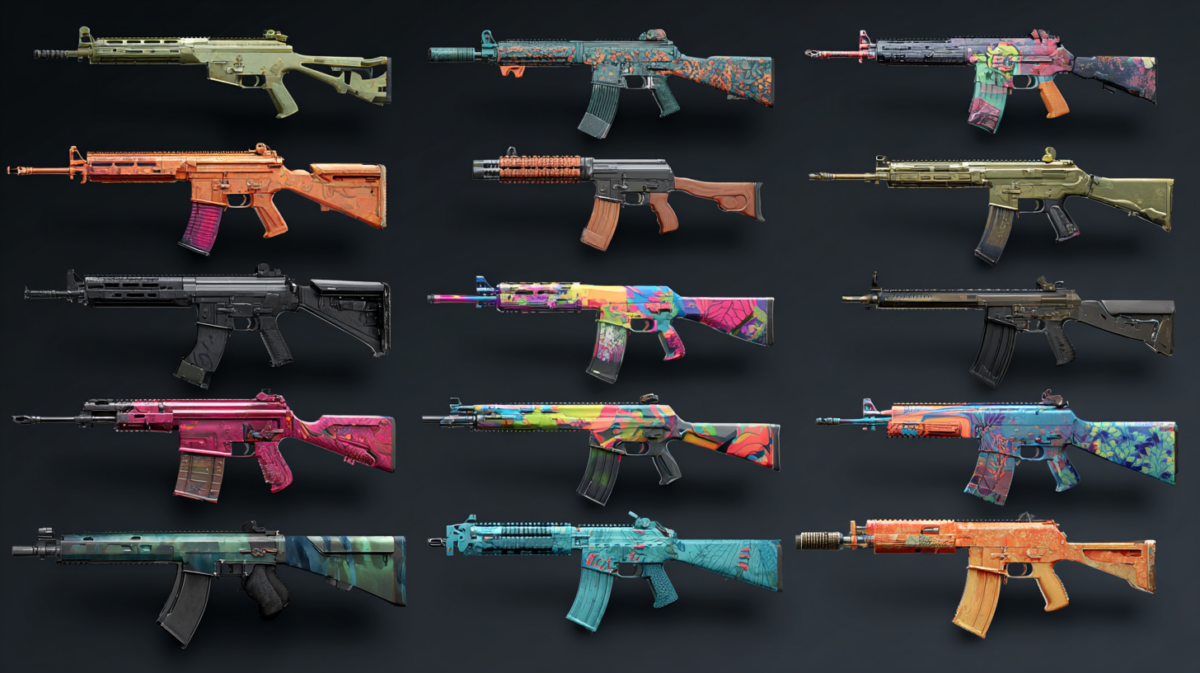

Virtual item gambling has transformed from a niche gaming trend into a full-fledged entertainment sector. Players now use Counter-Strike 2 skins, Dota 2 items, and other cosmetic assets as betting currency on platforms offering everything from roulette and blackjack to unique formats like case battles. Data shows skin casino platforms attracted 6.9 million unique visitors globally in February 2025 alone. Some operators now pull more traffic than established licensed betting sites. The setup works through Steam’s API, letting platforms access player inventories and calculate item values in real time. What started as players trading digital cosmetics has grown into a market where gaming culture meets casino mechanics.
Platform Architecture and Game Mechanics
Modern skin casino platforms offer extensive game libraries built around familiar gambling formats adapted for virtual item wagering. Case opening represents the foundational game type—players purchase access to digital cases containing randomized skin rewards. Case battles introduce competitive elements where multiple participants simultaneously open identical cases, with the highest-value winner claiming all rewards.
Traditional casino games include:
- Roulette variants: Players bet on color or number outcomes with typical 2-5% house edges
- Crash mechanics: Multiplier-based games where users cash out before randomly triggered crashes
- Coin flip: Binary outcomes offering near-50/50 probabilities minus operator fees
- Upgrader systems: Users stake lower-value items for probability-weighted chances at higher-tier rewards
Success rates typically decrease as value differential increases, maintaining mathematical house advantages while offering tangible progression mechanics familiar to gaming audiences.
Market Demographics and Access Patterns

According to UK government research, the 18-24 age group accounts for 44.85% of skin gambling site users compared to just 12.57% on traditional gambling platforms. Male users comprise approximately 75.58% of the demographic distribution.
Platform accessibility presents minimal barriers compared to regulated gambling operations. Most sites require only Steam account linkage for deposits, with age verification typically occurring only at withdrawal stages. This asymmetric structure allows underage users to deposit valuable items while creating complications when attempting to extract winnings without proper identification.
Cross-platform engagement patterns indicate high user mobility between sites. Strong correlations exist between skin gambling site traffic and gaming platforms like Twitch, where streamers often showcase gameplay. The UK comprised 3.93% of accessible traffic in February 2025, with 271,230 unique visits recorded.
Payment Infrastructure and Cryptocurrency Integration
Skin casino platforms operate dual-currency systems accepting virtual items and traditional payment methods. Cryptocurrency has become prevalent, with Bitcoin and Ethereum transactions completing within 5-20 minutes compared to 2-7 business days for traditional banking.
Users connect Steam accounts through OAuth authentication, granting platforms inventory access. Automated systems price items based on current market rates. Steam’s seven-day trade hold policy prevents immediate extraction of won items. Most platforms address this through marketplace features allowing skin-to-cryptocurrency conversion.
Premium platforms charge zero fees on deposits while imposing 5-10% commissions on withdrawals, influencing platform selection among experienced users.
Regulatory Challenges and Compliance Gaps
The skin casino sector operates largely outside traditional gambling regulatory frameworks. Research compiled by regulatory bodies documents that platforms circumvent licensing requirements by classifying skins as “virtual items without intrinsic value” rather than currency.
Age verification deficiencies represent critical regulatory concerns. Platforms require users to confirm age through simple checkboxes without identity document verification. Studies indicate 43.5% of skin gamblers first accessed platforms while under 18 years old. Survey data shows 76.1% of parents remained unaware their children engaged in skin gambling activities.
The UK Gambling Commission has taken proactive enforcement stances, successfully prosecuting operators for advertising unlawful gambling and facilitating underage participation. Denmark blocked access to six skin gambling sites following regulatory action. However, international coordination remains limited, allowing operators to relocate services to favorable jurisdictions.
Responsible gambling tool implementation varies dramatically across platforms. Audits of 20 major sites revealed inconsistent availability of self-exclusion options, spending limits, and problem gambling resources.
Business Models and Revenue Generation
Platform operators generate revenue through multiple mechanisms beyond traditional house edge advantages. Transaction fees on deposits and withdrawals provide consistent income streams. Some platforms charge premium membership tiers offering reduced fees and exclusive promotional access.
Affiliate marketing programs create secondary revenue channels. Operators compensate partners through revenue sharing arrangements for referred players. These programs particularly target content creators capable of directing substantial user traffic.
In-platform marketplaces generate additional transaction volume. Players trade skins directly with other users, with platforms collecting percentages on each exchange. Sponsorship arrangements with individual streamers continue—investigation revealed 120 of Twitch’s top 300 Counter-Strike streamers maintained active gambling site sponsorships, with monthly compensation reaching $200,000 for prominent creators.
Future Trajectory and Industry Evolution
The skin casino sector faces increasing regulatory scrutiny as governments recognize the scale of underage participation and potential for gambling-related harm. The UK’s Department for Culture, Media and Sport report explicitly calls for treating skin gambling identically to traditional gambling under existing regulatory frameworks, mandating proper licensing and comprehensive age verification.
Game developers face pressure to implement safeguards preventing third-party gambling site integration. Potential interventions include restricting API access for gambling-enabling sites or modifying trade mechanics. However, such measures risk disrupting legitimate trading communities.
Several factors will shape market development:
- Regulatory standardization: International coordination on skin gambling classification and oversight requirements
- Platform consolidation: Larger operators with compliance capabilities may acquire smaller sites lacking regulatory resources
- Technology integration: AI-driven player protection systems becoming industry standards
- Alternative monetization: Platforms diversifying into NFT marketplaces and metaverse integrations
The skin casino sector represents a distinct category of digital entertainment that emerged from gaming culture yet incorporates substantial gambling elements. Its future depends on balancing innovation with meaningful protection measures for vulnerable populations, particularly minors attracted through gaming connections rather than gambling interest.
